Tutorial and Workshop on Systems Over Models: What Actually Works in Industry (SOMI-2026)
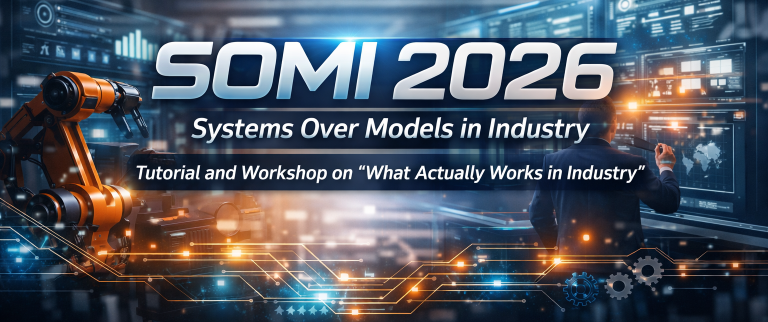
The Tutorial and Workshop on Systems Over Models: What Actually Works in Industry (SOMI-2026) at the European Conference on Machine Learning and Principles and Practice of Knowledge Discovery in Databases ECML-PKDD 2026 on September 7-11 in Naples, Italy.
Description
Despite major advances in machine learning (ML), the gap between state-of-the-art research and sustained industrial value remains stubbornly wide. Many promising prototypes fail when exposed to real operating conditions, including imperfect and shifting data, unclear ground truth, evolving requirements, heterogeneous environments, organizational constraints, and the high cost of failure. This Workshop and Tutorial aim to encourage the community to approach the deployment (and not just modelling) as a first-class scientific object. We invite participants to share both success stories and “failure narratives” with the same level of rigor we expect of benchmark-driven work. Experience from applied research, which deliberately prioritizes realistic datasets and operational constraints, confirms that this is where many of the most current and important research questions lie.
We frame expected contributions around the end-to-end ML pipelines: data collection and versioning; code and configuration provenance; environment capture (hardware/software dependencies); model artefacts and metadata; deployment interfaces (batch, API, streaming, edge); and production logging, monitoring, governance, and traceability. We seek papers that propose metrics and protocols to ensure reproducibility, replicability, and reliability over time, including methods for detecting and responding to failures (such as data quality issues, drift, concept changes, integration errors, degraded latency, and operational incidents). We particularly welcome studies that quantify WHERE and WHY results stop transferring from lab to field. These studies may include, but are not limited to, sensitivity to data splits, small implementation changes, library upgrades, or shifts in operating context.
To complement the research-focused workshop program, we are also proposing an associated hands-on tutorial covering practical MLOps and reproducible ML workflows. The tutorial will equip participants with concrete methods and tools for constructing, tracking, and deploying ML systems. Subjects to be presented include experiment management, hyperparameter optimization, artifact tracking, model versioning, containerization, and workflow orchestration. Through guided exercises and live demonstrations, participants will learn how to translate experimental prototypes into traceable, maintainable, and scalable systems. The tutorial aligns closely with the workshop’s scientific themes and provides a foundation for translating methodological insights into concrete engineering practices that support reliable deployment in both academic and industrial environments.
The objective of this event is to establish a community, a shared vocabulary, and an evidence base for “industrial relevance” in the field of ML research. We encourage case studies (including negative results), comparative evaluations of pipeline designs and deployment strategies, and tools that materially reduce the burden of building trustworthy systems (e.g., lineage tracking, automated checks, reliability dashboards, rollback/fallback mechanisms). The intended tangible outcome of the proposed workshop is expected to be a set of reusable practices, such as methods, artefacts, and evaluation protocols, that help the community move beyond one-off demos towards ML systems that remain correct, stable, and accountable in the wild.
Keynote Speaker
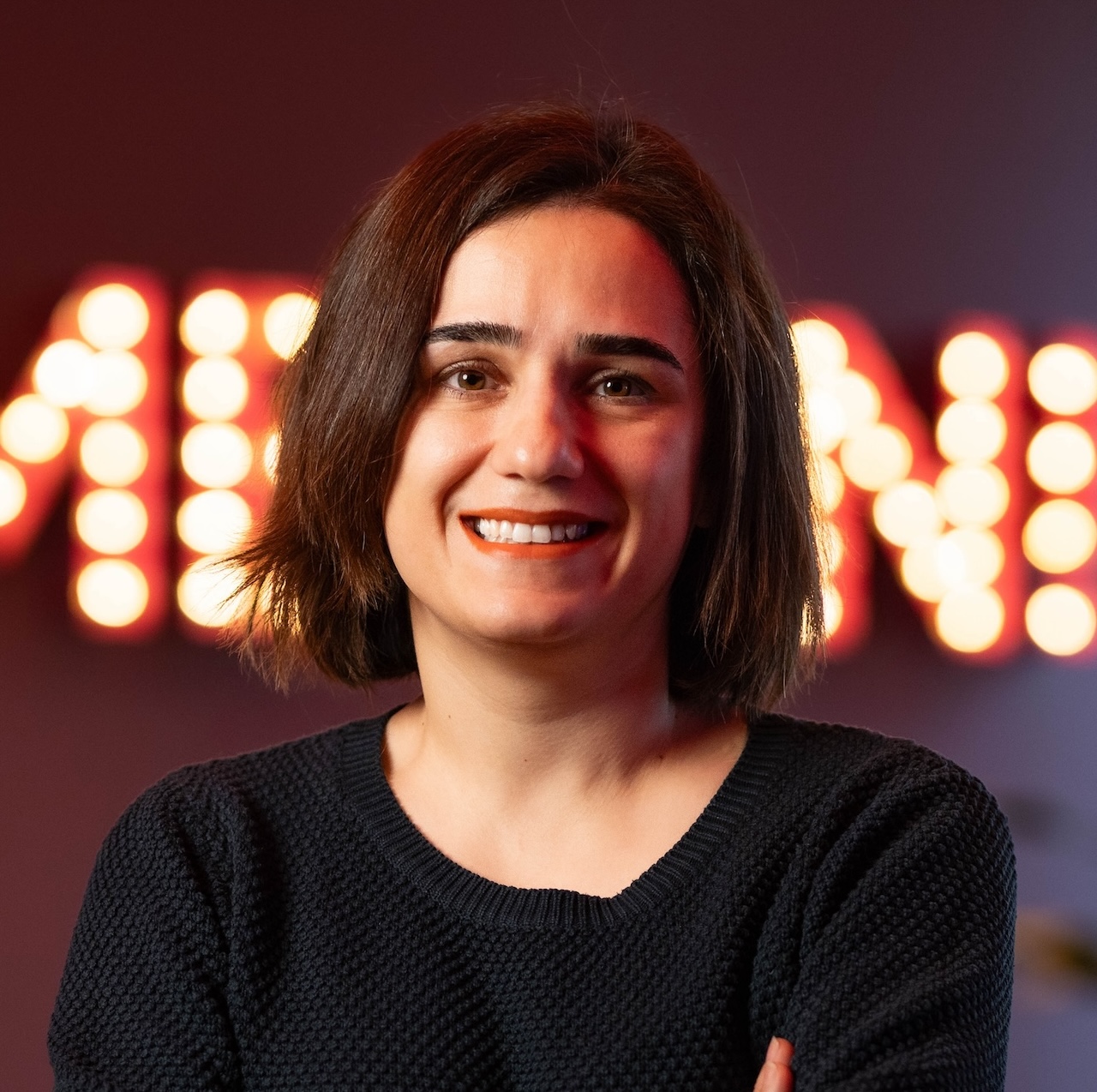
Sahar Asadi is Director of AI Labs at King, part of Microsoft Gaming, where she leads industrial research on reinforcement learning, foundation models, representation learning, and player behavior understanding. Her research centers on translating advances in AI into practical applications, with a particular emphasis on systems that improve player experience and support game development. She received her Ph.D. in Computer Science from Örebro University and has held research and applied machine learning roles at Spotify, Meltwater, and Clusterone. She has co-authored work published at NeurIPS, AAAI, EMNLP, IDA, AIIDE, IEEE Transactions on Games, and delivered keynotes at IEEE Conference on Games, GDC, and FDG. She serves as Associate Editor at IEEE Transactions on Games and an Area Chair of ECML PKDD.
Important Dates (all times AOE):
- Submission site opens: 10th of April 2026
- Paper submission deadline:
5th of June 202614th of June 2026 - Notification of acceptance:
29th of June 202613th of July 2026 - Camera-ready deadline: 20th of July 2026
- Workshop date: Monday, 7th of September 2026
Submission Procedure:
The goal of the workshop is to foster discussion of the most promising directions and the most critical challenges in developing reproducible, replicable, and reliable end-to-end ML pipelines. We thus accept the following types of submissions:
-
Regular papers (Maximum 14 pages + references) presenting original work not published elsewhere. Regular papers formatted according to the ECMLPKDD 2026 guidelines (see here). Accepted regular papers will be included in the Springer Workshop proceedings of ECMLPKDD 2026. Double-submission of regular research papers is forbidden.
-
Short papers (Maximum 6 pages + references) presenting work-in-progress, position papers, negative results, or clearly formulated open problems. Short papers should be formatted according to the ECMLPKDD 2026 guidelines (see here). These papers will not be published in the proceedings.
All accepted papers will be presented as posters and linked to the workshop page. Submitting a paper to the workshop means that if the paper is accepted, at least one author must present it, in person, at the workshop. The best contributions will be allocated a 15-minute presentation slot during the workshop to maximize their visibility and impact.
Workshop Organizers:
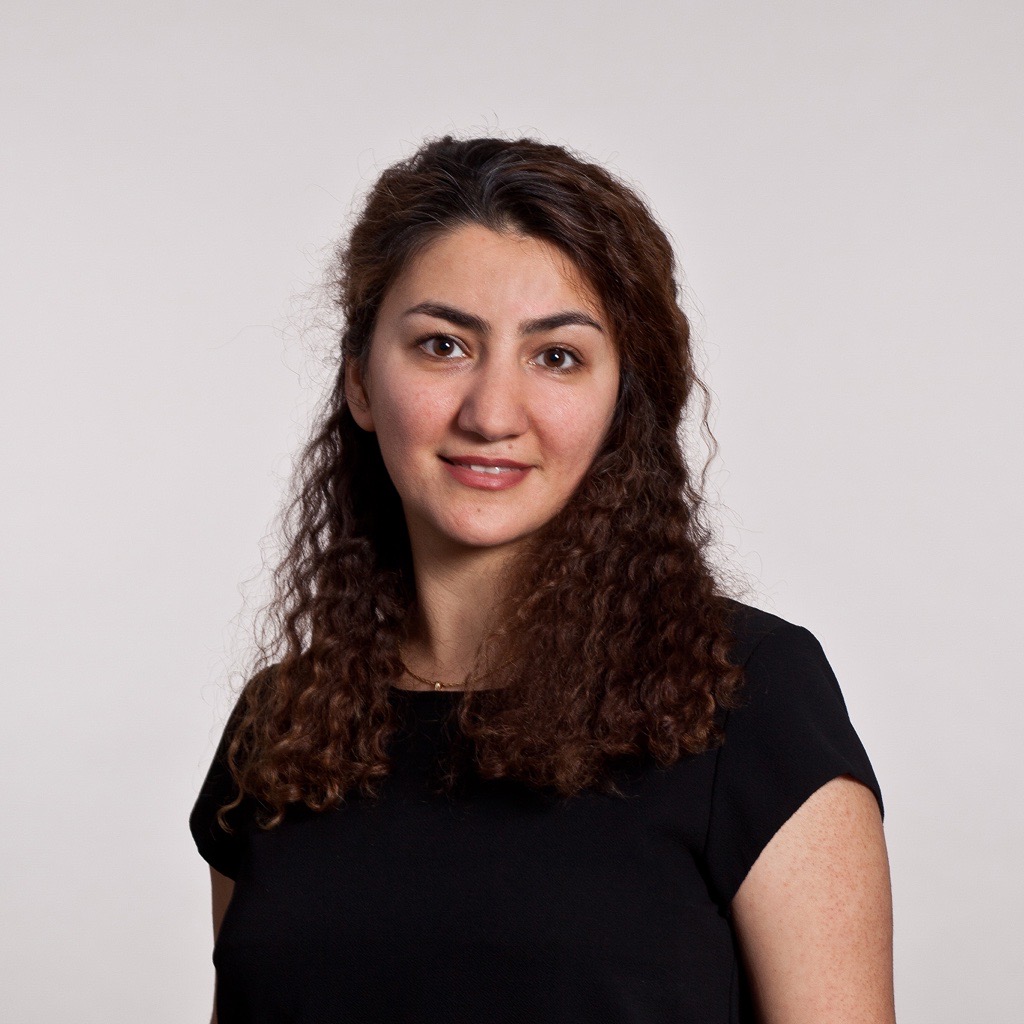
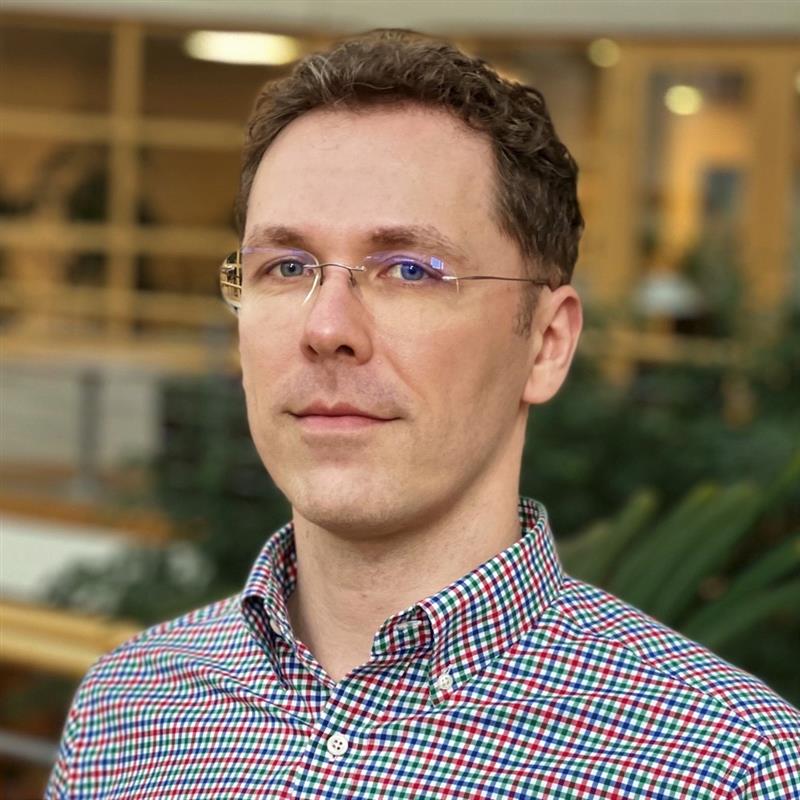
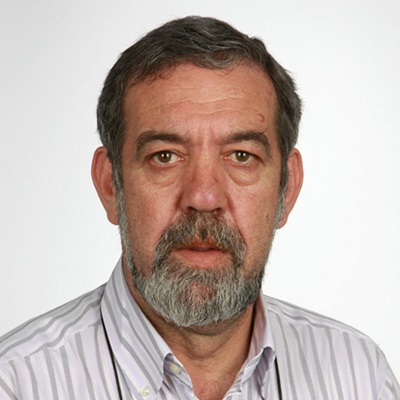
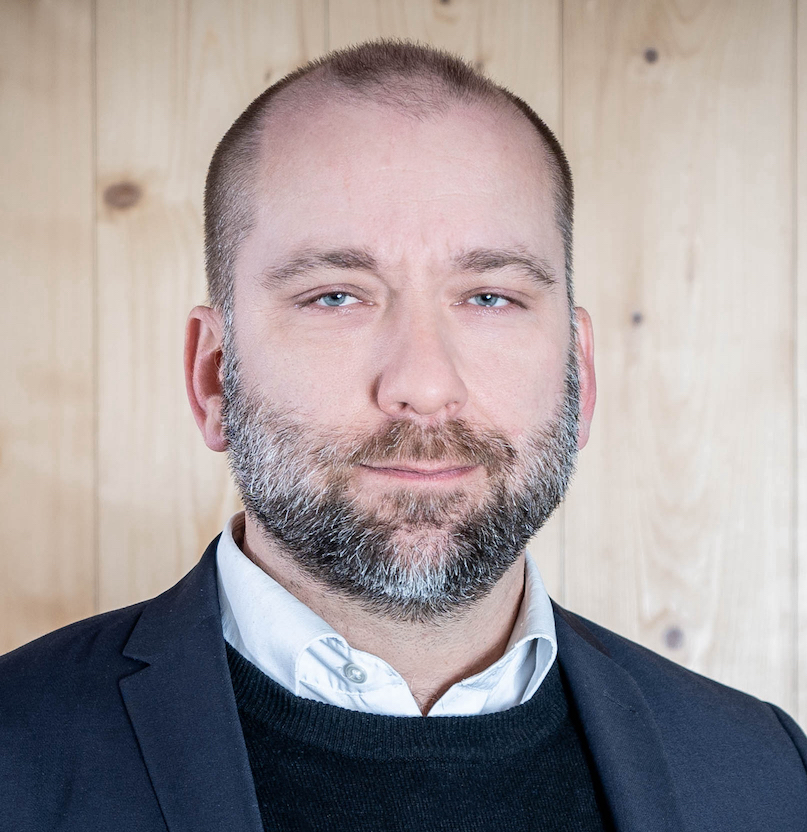
- Zahra Taghiyarrenani, CAISR, Halmstad University, Sweden
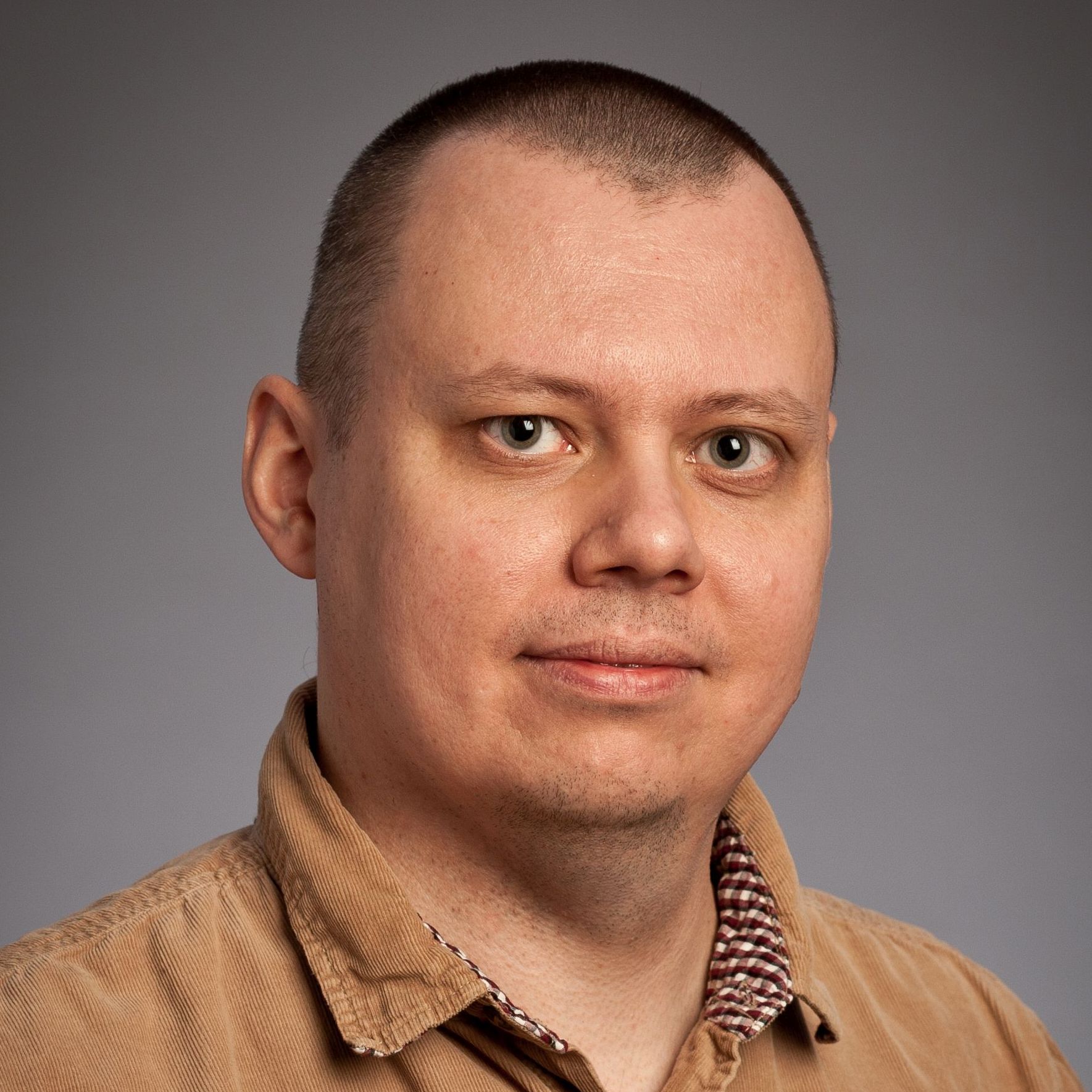
- Slawomir Nowaczyk, CAISR, Halmstad University, Sweden
- Maciej Misiorny, Sigma Technology Insight Solutions, Sweden
- Joao Gama, University of Porto, Portugal
- Albert Bifet, Waikato University, New Zealand
- Martin Atzmüller, Osnabrück University, Germany
Program Committee:
TBA
Contact
The workshop is part of KEEPER (Knowledge Creation for Efficient and Predictable Industrial Operations) and FeelAI projects, co-funded by Knowledge Foundation and Vinnova.
Email address for contacting workshop chairs: somi-2026-workshop@googlegroups.com